The world of mobile apps is growing fast. Every day, new apps launch with smarter features and smoother experiences.
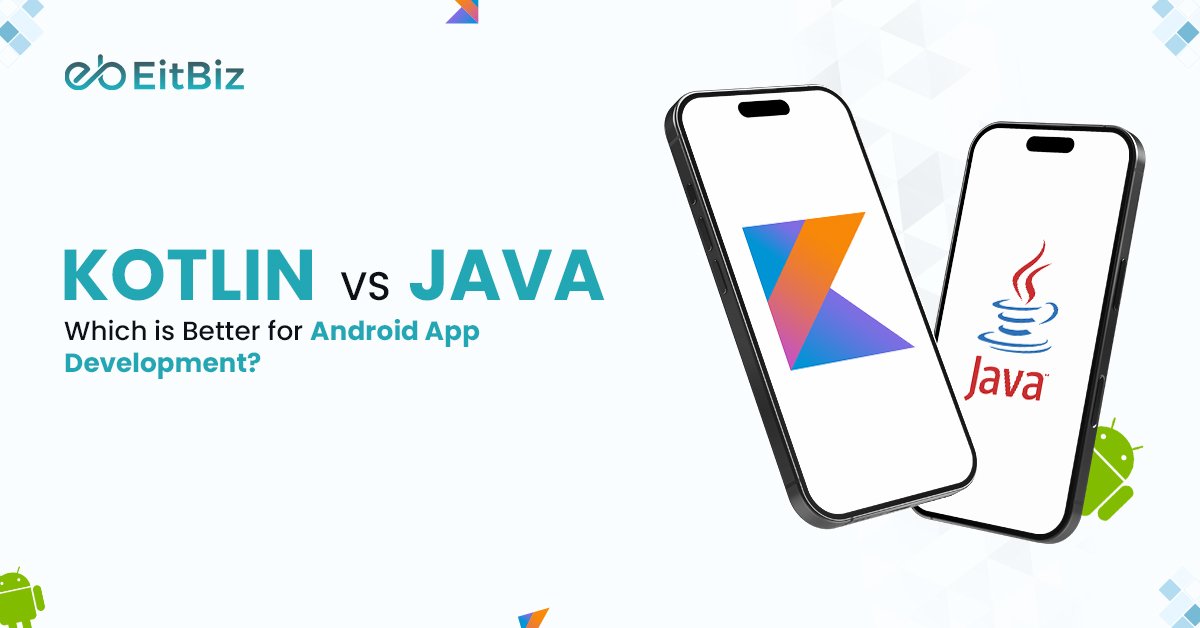
At the center of this wave is Android app development, Java vs Kotlin. Developers are often stuck asking: “Which one should I pick—Kotlin or Java?”
It’s a fair question. Both are strong. Both have loyal fans. But one might fit your needs better than the other.
In this blog, we’ll keep things simple. We’ll look at real Java vs Kotlin differences, compare how each works in real life, and help you decide which one suits your project best.
Whether you run an app-building agency, work with Android app development firms, or you’re a developer yourself, this guide is for you.
What is Kotlin vs Java?
Let’s begin by answering: What is Kotlin vs Java?
Java is old—but gold. It’s been around since the 1990s and was the first language officially used for Android apps. It’s stable, well-documented, and has a large developer community. If you’ve used an Android phone, chances are high that many of your apps were built with Java.
Kotlin, on the other hand, is modern and sleek. It came out in 2011 but became more popular after Google made it an official Android development language in 2017. Kotlin is clean, short, and cuts down a lot of extra code. That’s why many modern android app development firms now prefer it.
Knowing what Kotlin vs Java is gives us a strong starting point. Now, let’s dig deeper.
Java vs Kotlin Performance: Which Is Faster?
Speed matters. When we talk about java vs Kotlin performance, it often depends on how you write your code.
Java is faster in some cases because it’s simpler. It starts quickly, and the memory usage is low. This helps if your app is heavy or handles a lot of data.
Kotlin, however, shines in smartness. It’s more efficient in writing logic and dealing with complex tasks. Though it sometimes takes longer to compile, Kotlin can reduce bugs and runtime errors. This can indirectly improve app speed and user experience.
So, in the Java vs Kotlin performance race, there’s no clear winner. Java is fast and tested. Kotlin is smart and clean. The right choice depends on what kind of app you are building.
Java vs Kotlin Code Comparison
Here’s where things get visual. Let’s do a simple Java vs Kotlin code comparison.
Java Code:
| java public class Main { public static void main(String[] args) { System.out.println(“Hello from Java!”); }} |
Kotlin Code:
| fun main() { println(“Hello from Kotlin!”)} |
As you can see in this Java vs Kotlin code comparison, Kotlin is shorter and easier to read. You need fewer lines to do the same thing. This helps teams work faster and reduces the chances of human error.
If your app-building agency wants to build fast with fewer bugs, Kotlin wins. But if you need traditional structure and long-term support, Java still holds ground.
Key Java vs Kotlin Differences
Understanding the main Java vs Kotlin differences helps when you’re picking a language for your app.
Here are a few critical Android Java vs Kotlin points:
- Null Safety: Kotlin has built-in null safety. Java does not.
- Syntax: Kotlin is concise. Java is more wordy.
- Extension Functions: Kotlin allows you to add functions to existing classes. Java doesn’t.
- Coroutines: Kotlin supports asynchronous tasks better.
- Learning Curve: Java is easier for beginners. Kotlin takes time to learn.
These java vs Kotlin differences matter a lot to developers. Your choice should match your project’s size, speed, and goals.
Android App Java vs Kotlin: What Do Agencies Prefer?
When it comes to android app java vs Kotlin, most modern android app development firms are slowly shifting to Kotlin. But why?
Kotlin helps developers write less code. Fewer lines mean fewer bugs. That means less testing and faster delivery. It also plays well with Java. If your app was written in Java, you can still use Kotlin code within it.
Still, some app-building agency teams prefer Java because of its wide community support. It’s reliable, and there are more Java developers in the market.
Choosing between android app java vs Kotlin depends on what you value more—speed or simplicity, tradition or innovation.

Android App Development: Java vs Kotlin: Real-World Use Cases
Let’s look at how big companies make this choice.
When we talk about Android app development, Java vs Kotlin, both have been used by top brands.
- Java: LinkedIn, Netflix, and Spotify still have large parts of their apps in Java.
- Kotlin: Pinterest, Uber, and Trello are leaning toward Kotlin for new features and updates.
Why does it matter? If leading firms use Kotlin, it shows where the future is heading. But if your current team knows Java well, you may want to stick with what works.
In real life, many companies use both. Android app development java vs Kotlin is not always an either/or choice—it’s often both.
Why Android App Development Firms Choose Kotlin in 2026
It’s 2026, and tech evolves fast. Most Android app development firms want to offer faster, smarter, and more reliable apps.
That’s why Kotlin is growing. It reduces time-to-market and makes maintenance easier. And Google keeps improving Kotlin tools in Android Studio.
Still, Java isn’t gone. Many apps built 5–10 years ago still run smoothly on Java. Updates and patches keep it alive.
The future of android app development java vs Kotlin may lean toward Kotlin, but Java isn’t leaving anytime soon.
Final Thoughts: The Right Tool for the Right Job
To sum it up, Android app development Java vs Kotlin is not about picking a winner. It’s about finding the right tool for your team and project.
If you want speed, shorter code, and fewer bugs, go for Kotlin. If you want stability, community support, and a mature language, Java is a solid choice.
The best Android app development firms understand this balance. They use the strengths of both languages to build robust, scalable, and efficient mobile apps.
So, before you pick sides in the android java vs kotlin debate, ask yourself: What does your app really need?
Need Help Choosing Between Kotlin and Java?
Still unsure about Android app Java vs Kotlin? A trusted app-building agency can guide you through. At EitBiz, we’ve worked on hundreds of projects using both Java and Kotlin. We help startups and enterprises build apps that work perfectly and scale smoothly.
Let us help you make the smart choice—Java vs Kotlin performance, code quality, and delivery speed—everything tailored for your business. If you want professional assistance to build Android apps, visit EitBiz today!